
 Newsletter
 Shop
Shop Login
Login Menü
Menü
 Subscribe now


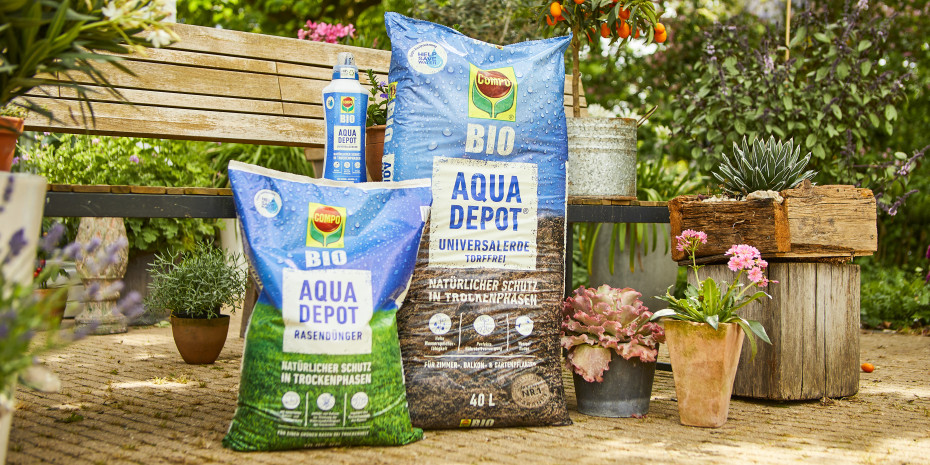
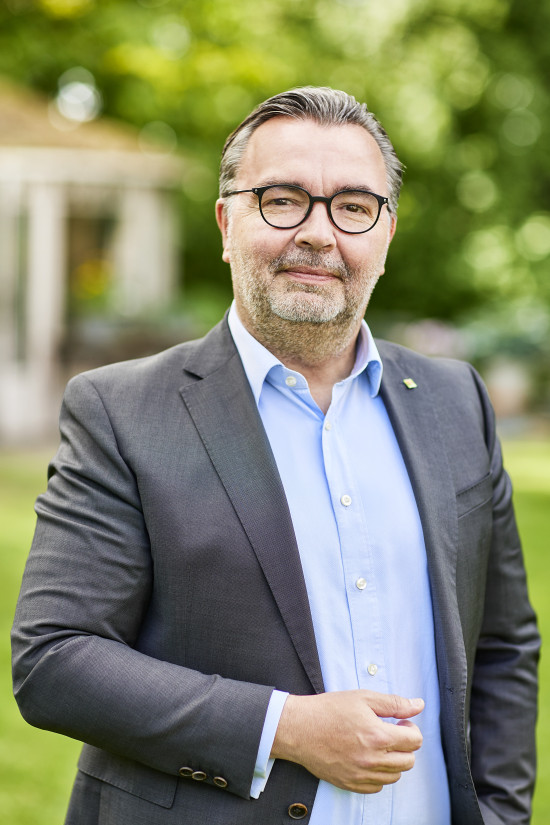
Compo’s European business is of central strategic importance. Headquartered in Münster, the company is now one of Europe’s leading suppliers of branded products for plants in the home and garden. With over 25 subsidiaries, a unified European brand and its own production sites, Compo has a broad footprint. More than 70 per cent of the company’s turnover is generated outside the German market – alongside its home market, Compo states that it is the market leader in Austria, Switzerland, Italy, Spain and Belgium. Stephan Engster, CEO of the Compo Group, emphasises that the key factors for success are, on the one hand, the internationally consistent brand and, on the other, the organisation’s high resilience: “Only a strong brand ensures consumer trust and high brand recognition at the point of sale. This is supported by the Europe-wide campaign ‘Better the best. For nature. For you. For everyone.’”
From this European perspective, a nuanced picture of the markets emerges: “If you take a closer look at Europe, you’ll see that whilst there are unifying trends, there are also clear differences in the characteristics and requirements of individual countries,” reports Engster.
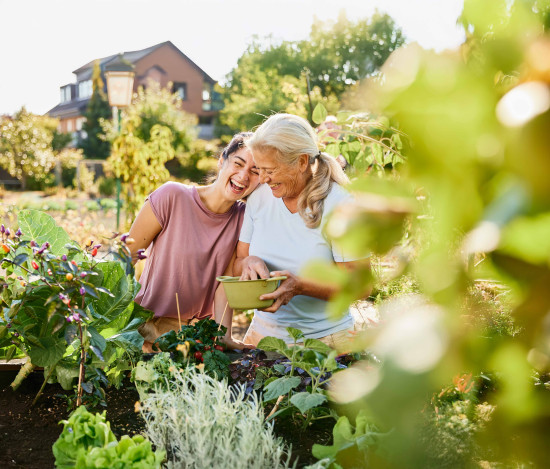
One unifying element – and at the same time a key growth driver across almost all European markets – is the ongoing boom in ‘grow your own’. Market data and in-house studies show that, whether in one’s own garden, in a raised bed or on the balcony, the desire to grow one’s own herbs, vegetables and fruit remains highly significant. “However, the specific form this takes varies from country to country,” says Engster. Whilst raised beds are particularly widespread in Germany and Austria, in France compact kitchen gardens, known as “carrés potagers”, are a feature of everyday life. In southern Europe, on the other hand – for example in Spain – home cultivation tends to take place on a smaller scale, such as in pots or on urban balconies. “Despite these differences, it is clear that the desire for self-sufficiency, control over one’s own food and a mindful approach to nature are common threads across the markets,” says Engster.
Another closely related trend is sustainable gardening concepts. “Many amateur gardeners want effective products whilst also doing something good for the environment and nature,” says Engster. Organic products, biodiversity and environmentally friendly solutions are therefore highly relevant across Europe – albeit to varying degrees. In France, the demand for sustainable alternatives also arises against a backdrop of regulatory developments, although some consumers remain sceptical about the compatibility of sustainability and high efficacy and need to be convinced. This is where forward-looking technologies – such as Compo’s Advanced-Release-Technology for organic and organic-mineral solid fertilisers – come at just the right time. The technology is set to define a new generation of Compo fertilisers whilst simultaneously setting a high-performance standard for the entire industry, explains the CEO. In Italy, too, there is a particularly strong affinity for organic solutions. “Overall, however, one thing is clear: end consumers’ willingness to pay for organic solutions is high everywhere,” summarises Engster.
Another key factor across many markets is climate change. Increasing heatwaves and longer periods of drought are noticeably changing gardening practices in Europe. The pressure to adapt is particularly high in southern European countries such as Spain and Italy. In France, too, the impact of drought is a major driver. “In parts of southern Europe, 90 per cent of gardeners emphasise that they are affected by drought and that climate change is impacting their lives. Demand for water-saving and resilient solutions is correspondingly high,” explains Engster. Products that perform reliably under difficult climatic conditions are becoming increasingly important there. This trend is also evident in Germany, albeit somewhat less pronounced so far. Nevertheless, usage patterns are gradually changing here too, for example towards more robust plants and resource-efficient care approaches. The all-round organic concept Compo Bio Aqua Depot and other resource-efficient solutions across all product categories are Compo’s response to these changing requirements and consumer preferences.
There are also clear differences between markets when it comes to traditional product ranges. Lawn care, for instance, has traditionally played a prominent role, particularly in Germany and Austria. Consequently, the use of specialised products is high here, as is the willingness of amateur gardeners to invest time and effort in lawn care.
“Ultimately, it becomes clear that Europe’s garden markets have more in common than divides them – yet the differences in their specific characteristics are crucial. Those who understand these and address them specifically will create genuine relevance for the customer,” summarises Engster. For manufacturers and retailers, this means consistently combining European strategies with a close understanding of local markets: “Success comes to those who master the balance between shared brand strength and regional differentiation.” Another key factor for success here is the diversity of the teams. “Staff from different countries bring valuable perspectives and help to understand market requirements precisely and translate them into tailor-made solutions.”


 Newsletter