
 Newsletter
 Shop
 Login
 Menü

 Subscribe now


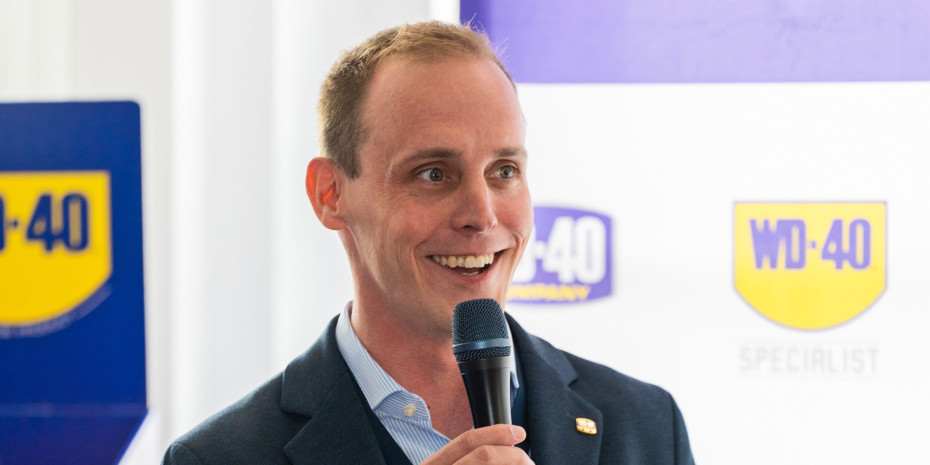
How is the campaign being received by your customers?
Daniel Kalisch: The response to the Repair Challenge has been very positive. What began in Germany around six years ago has since developed into an international initiative that is now being implemented in more than 35 countries. This shows us that the idea of repairing appeals to people far beyond individual markets.
At the same time, we’re seeing that the projects submitted are becoming more diverse and creative year on year. They range from small, everyday repairs to extensive restorations. For us, this is a clear sign: many people don’t simply want to replace things, but to give them a new lease of life using their own ideas and craftsmanship.
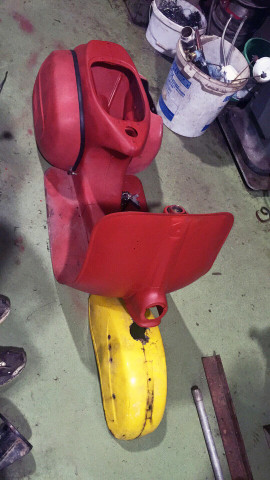
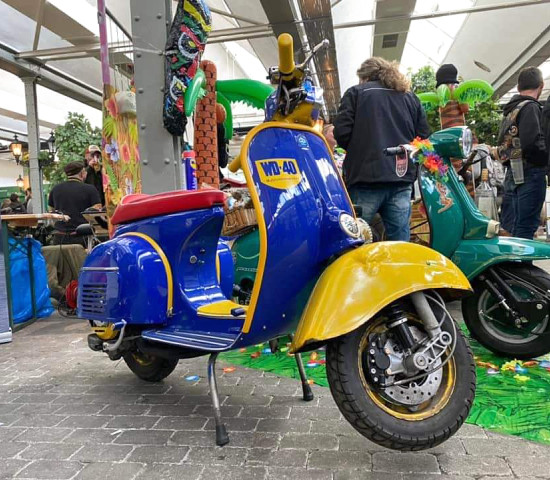
What kinds of items are being restored?
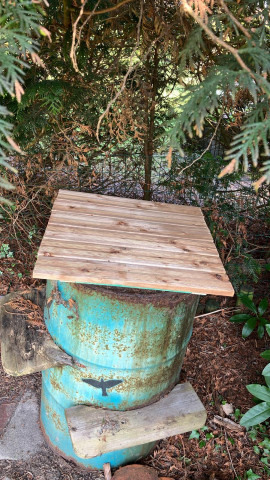
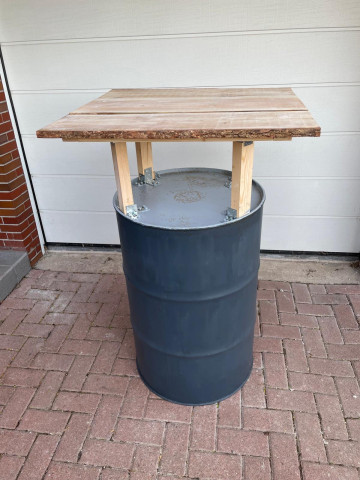
The range of projects submitted is enormous. It ranges from salvaging an old emergency exit sign, to giving a sofa a cosy makeover and building a herb bed, right through to carrying out an emergency repair on the fan of a US motorhome. Larger projects are also represented, such as converting a crashed Kawasaki into a low-budget bobber, refurbishing a screed milling machine, or working on a VW Caddy.
It is precisely this diversity that makes the Repair Challenge so exciting: what matters is not the scale of the project, but the idea of preserving existing items, making them usable again and extending their lifespan. Our publicly accessible gallery highlights this diversity and shows what is possible.
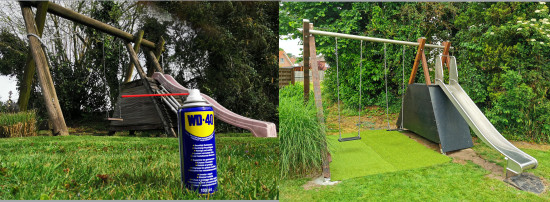
Does this theme capture the spirit of the times?
Of course, people have always repaired things. Today, however, the topic is regaining significant importance for several reasons. On the one hand, many people are paying closer attention to their spending and thinking more carefully about whether a broken item really needs to be replaced straight away. On the other hand, there is a growing awareness that repairing conserves resources, prevents waste and extends the lifespan of existing products. Repairing thus combines economic sense, sustainability and the joy of doing things yourself.
We are also seeing this trend in our collaboration with the Repair Cafés. Interest and support continue to grow. There, practical knowledge is shared and people are encouraged to take action themselves.
In 2026, the partnership was expanded due to the positive response: instead of the previous 200 participating locations, around 250 Repair Cafés now support the initiative. For the first time, Austria was also officially integrated into the network. For us, this shows that repairing is not a short-term trend, but a movement that is becoming increasingly relevant to society.
Do you also see potential for this category in the future?
Yes, we see considerable potential here. Our aim is to inspire even more people to take up DIY and repairing, and to show them what they can achieve themselves with the right products, a bit of knowledge and a bit of initiative. Partnerships play a central role in this. Together with retail partners and Repair Cafés, we can reach consumers where products, advice and practical application come together.
The topic also offers attractive opportunities for the retail sector: repair projects create specific occasions for use, convey product knowledge and can trigger additional impulse purchases at the point of sale. At the Repair Challenge 2026, this was supported, amongst other things, by promotional tins and displays.
For us, the Repair Challenge is therefore a long-term endeavour. Preparations for the 2027 campaign are already underway, and we aim to continuously develop the initiative together with our partners. The next Repair Challenge will launch in spring 2027.


 Newsletter