
 Newsletter
 Shop
Shop Login
Login Menü
Menü
 Subscribe now



- Retailers and suppliers: exclusive insights
- Market analyses and country reports
- Trends in the DIY and garden market
- Latest news and archive
The ongoing deterioration of the business environment in the country is having a negative impact on the activities of local customers and exacerbating the crisis in the Russian DIY sector.
According to data from the Russian statistics service (Rosstat) and some local research agencies, the turnover of the Russian DIY market is expected to decline by at least 3.5 per cent in the second half of 2025, reaching 3.52 trillion rubles (EUR 37.74 bn).
Negative trends in the market were first observed in spring of this year and have worsened since then. One of the main reasons for this is the overall decline in housing construction in Russia.
According to Rosstat's data, housing construction in Russia decreased by 5 per cent year-on-year from January to August 2025, reaching 67.5 mio m². During this period, 20.2 mio m² of multi-apartment buildings and 47.3 mio m² of private homes were built in the country, representing year-on-year decreases of 6 per cent and 5 per cent respectively. However, most independent analysts believe that the decline could have been even higher.
This puts serious pressure on the Russian DIY sector. According to recent data from the Russian OFD Platform service, sales of DIY goods in Russia have declined by 5 per cent year-on-year since the beginning of the current year. According to Dmitry Batyushenkov, the company's CEO, the biggest drop was observed in offline retail.
About the figures
There are only estimates available regarding the size of the Russian DIY market. The figures provided in the text by the Russian statistics agency Rosstat are based on different definitions than those used by the Global Home Improvement Report, among others.
Meanwhile, there has also been a significant decline in customer traffic in the Russian DIY sector. According to a recent report by the local research agency Focus Technologies, customer traffic declined by 18 per cent from January to August 2025 compared to the same period last year.
Decline of sales
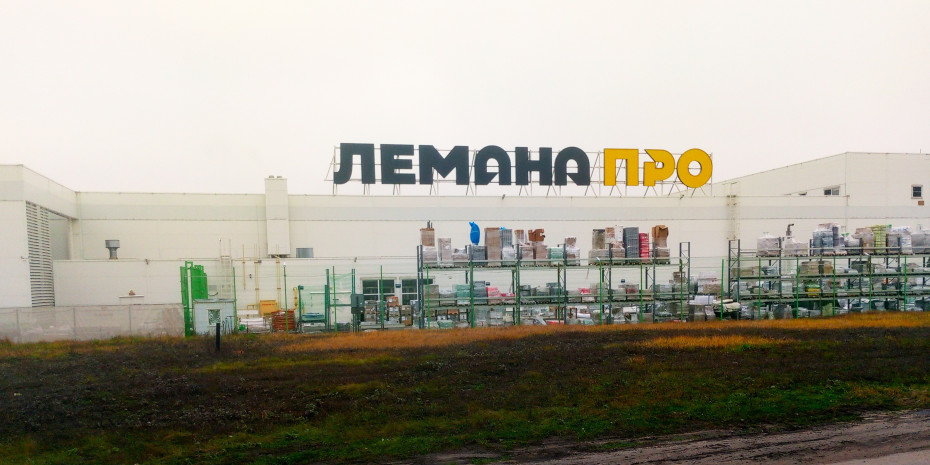
Representatives of leading Russian DIY chains, such as Lemana Pro (formerly Leroy Merlin, -7 per cent), Obi (-14.2 per cent) and Maxidom (-16 per cent), have confirmed the decline in sales. However, there was growth in their online sales, which increased by 5-7 per cent depending on the chain.
Aleksey Lukyanov, the IR Director of the online DIY hypermarket Vseinstrumenti, spoke about the current mixed dynamics in the Russian DIY market. He said that while the company is experiencing a decline in the retail segment…


 Newsletter